Heat Pumps

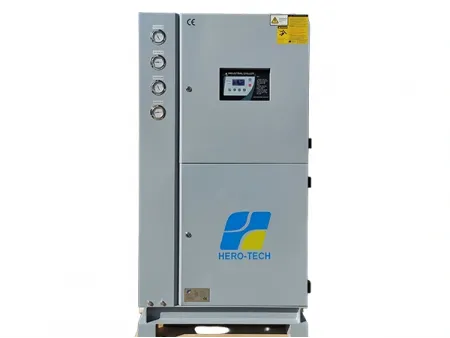
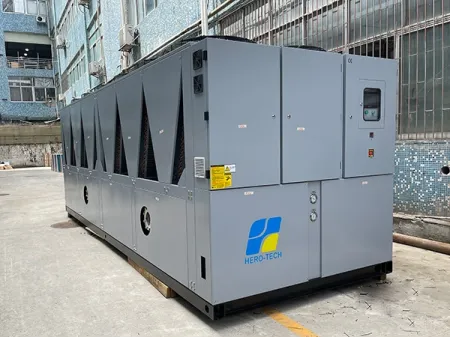
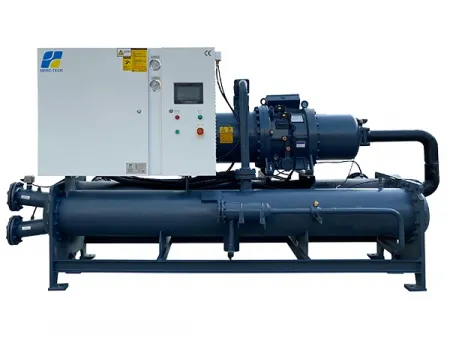

A heat pump works by moving heat rather than generating it. Using a small amount of electrical power, it draws low-grade heat from the surrounding air, water, or ground and upgrades it to a higher temperature for practical use. This process makes it an efficient way to provide heating or hot water, with the added benefit of reducing energy costs and environmental impact.
Draws heat from the air and transfers it indoors. It’s easy to install and works well in regions where winter temperatures stay above -25 °C. However, heating efficiency can drop in extreme cold. No special geological conditions are required, making it a good choice for northern areas shifting from coal to electric heating.
Uses a semi-hermetic screw compressor and ambient air as the heat source. Suitable for applications requiring stable performance and higher capacity. Easy to install, with no special site conditions needed, and works well in regions with winter temperatures above -25 °C.
Uses heat from underground water, surface water, or treated wastewater. Delivers high heating efficiency and stable performance, provided there’s a reliable water supply. Often used in industrial waste heat recovery.
Transfers heat to and from the ground via buried pipe heat exchangers. Offers excellent efficiency, energy savings, and low environmental impact. Installation requires drilling or trenching, making it more suitable for properties with ample land, such as villas.